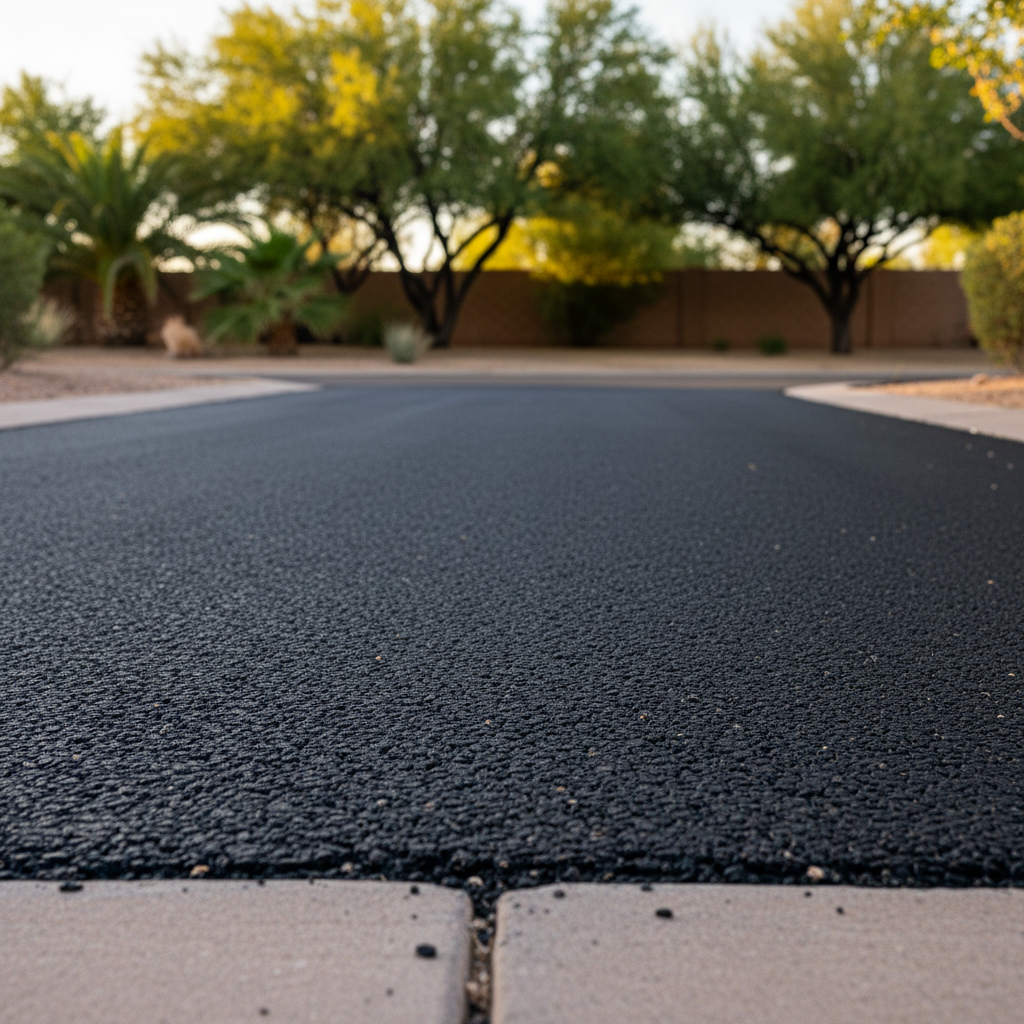
Alright, let's talk about your asphalt driveway. I get a lot of calls from homeowners here in Mesa, and often, folks are wondering, "Can I just patch this myself?" or "What's involved if I get a new one?" It's a fair question. You want to save a buck where you can, but you also want a driveway that lasts through our scorching summers and occasional monsoon downpours. So, I'm going to lay out what you need to know before, during, and after any asphalt work, and where that line is between a DIY job and calling in someone like us at Mesa Diamond Asphalt.
Before You Start: Planning Your Asphalt Project
First off, take a good look at your driveway. Is it just a few small cracks, or is it looking like a spiderweb exploded all over it? The condition dictates a lot. If you've got minor cracks, say, less than a quarter-inch wide, you might be able to handle those yourself. Anything bigger, or if you're seeing potholes, alligator cracking (that's the spiderweb pattern I mentioned), or significant sinking, you're probably looking at a bigger job than a weekend warrior can tackle effectively.
Think about drainage too. Here in Mesa, especially with our hard-packed caliche soil, water pooling on your driveway can cause a lot of damage over time. If your current driveway isn't shedding water properly, a patch job won't fix that underlying issue. You'll need to address the grading, and that's definitely a pro-level task.
For a new driveway or a full resurface, you'll need to consider permits. Most residential asphalt work for repairs or overlays doesn't require one, but if you're expanding your driveway or doing a full tear-out and replace, it's always smart to check with the City of Mesa's planning department. Better safe than sorry, right?
During the Project: DIY vs. Professional Hands
What You Can Do Yourself
- Crack Filling: For those small, non-structural cracks, you can buy asphalt crack filler at any home improvement store. Clean the crack thoroughly – get out all the dirt and debris – then apply the filler according to the product instructions. It's a temporary fix, but it'll stop water from getting in and making things worse.
- Sealcoating (Small Areas): If your driveway is relatively new and in good shape, a sealcoat can protect it from UV rays and minor wear. You can buy buckets of sealer and apply it with a squeegee or roller. Make sure the surface is clean and dry. This is more about maintenance than repair, and it's a lot of work for a big driveway.
- Cleaning: Keeping your driveway clean of oil, gas, and other spills is crucial. You can power wash it (carefully, don't blast away the aggregate!) or use degreasers for oil spots.
When to Call a Pro
- Potholes and Alligator Cracking: These mean the base layer is compromised, or the asphalt itself has failed structurally. A simple patch won't hold up. We've got the equipment to cut out the damaged sections, prepare the base properly, and lay down hot asphalt that will bond correctly and last.
- Full Resurfacing or Replacement: If your driveway is old, severely cracked, or has major drainage issues, you need a professional. We'll assess the base, make sure it's stable, and lay down a new layer of asphalt. For a full replacement, we'll tear out the old stuff, re-grade the area, and build a new, durable driveway from the ground up. This is heavy machinery, specialized material, and experienced crew work.
- Drainage Correction: If water is pooling, it's not just an asphalt problem, it's a grading problem. We can adjust the slope of your driveway to ensure water flows away from your house and foundation, which is super important in our desert climate where every drop counts (and can cause damage if it sits).
- New Installations: Starting from scratch? You definitely want a professional. Getting the base right is 90% of the job, and if that's not done correctly, your new driveway won't last long, no matter how good the asphalt is.
After the Project: Maintaining Your Investment
Once the work is done, whether it's a small patch or a brand-new driveway, a little care goes a long way. For new asphalt, stay off it for at least 24-48 hours, sometimes longer if it's really hot out. You don't want to leave tire marks or indentations.
Keep an eye on it. Catching small cracks early and filling them can prevent them from turning into bigger, more expensive problems. Reapply sealcoat every 2-5 years, depending on traffic and sun exposure. Our Mesa sun is brutal, so regular sealcoating is a smart move to extend the life of your asphalt.
Avoid parking heavy vehicles in the same spot for extended periods, especially during our summer heat. The asphalt can soften and indent. If you're doing car repairs, put down a tarp or cardboard to catch oil and fluids.
Look, I'm all for homeowners tackling what they can. But when it comes to asphalt, especially anything beyond a minor crack, you're dealing with a material that needs specific temperatures, compaction, and expertise to really perform. If you're unsure, or if the job looks bigger than you can handle, give us a call at Mesa Diamond Asphalt. We'll come out, take a look, and give you an honest assessment of what needs doing and what's the best way to do it right the first time.